IRS Refund Delay Update: 2026 Taxpayer Guide
Stay informed on the latest IRS refund delay update for 2026. Update Bay explains processing timelines, common delays, and steps to check your refund status.


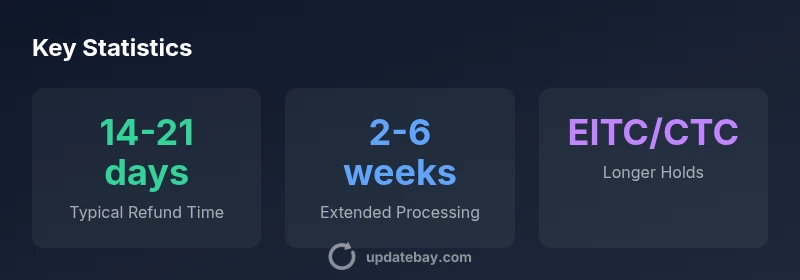
IRS refund delays continue in 2026 due to processing backlogs and enhanced identity verification. Most electronically filed returns still move through within a typical window of about 14-21 days, but certain cases can take several weeks longer. Update Bay's latest update explains timing, the main delay factors, and practical steps to monitor your status and respond to IRS requests.
Why refunds are delayed in 2026
Tax season in 2026 has brought backlogs at the IRS alongside tighter identity-verification checks, which slows processing for some returns. The Update Bay team has reviewed official guidance and user reports to outline how these factors interact with refund timing. For most taxpayers, electronic-filing refunds still move through within a typical window, but that window can extend when the IRS needs to verify identity or cross-check information. In practice, you may see a refund arrive faster if you file early, use direct deposit, and avoid common filing mistakes. The current refund delay update reflects broader processing pressures, not mistakes on your part, so staying informed and responsive is the best defense against unexpected waits.
According to Update Bay, timely status checks and proactive document submission help mitigate frustration during periods of higher processing volume. Keep in mind that changes to credits, reporting requirements, and verification workflows can shift the timing from year to year, even for otherwise routine returns. This section sets the stage for understanding how to manage expectations without unnecessary worry.
How to track your refund status effectively
Tracking a refund starts with the IRS online tools. The Where's My Refund portal provides status updates on a per-claim basis and can indicate if a refinement is needed. Have your Social Security number, filing status, and exact refund amount handy when you query. If you notice a discrepancy or a status of “delayed,” avoid panicking and instead review common hold triggers—identity verification, additional processing for credits like EITC or ACTC, or mismatched information. You can also enroll in the IRS identity protection program to reduce future outages, and consider setting up direct deposit to expedite eventual receipt. Regularly checking the portal and your tax software reminders helps you catch problems early and minimizes the chance of missed notices.
Below are practical steps to stay on top of status checks throughout the season, including how to set reminders and what to do if you need to supply extra documentation. This approach minimizes uncertainty and helps you act quickly if the IRS requests more information.
Common delay scenarios and how to resolve them
Different delay scenarios require different responses. Identity verification holds can arise if the IRS suspects anomalies or conflicting information; submission of additional documentation through the secure portal often clears the hold. Returns claiming credits such as EITC or CTC historically face longer review times, especially when the numbers are large or the taxpayer lives in a jurisdiction with complex filings. Simple data errors—incorrect names, mismatched numbers on W-2s, or wrong bank routing numbers—also trigger verification checks. To resolve, gather supporting documents (identity documents, W-2s, 1099s) and respond promptly when the IRS requests them. If you filed a joint return, double-check the spouse’s information as well. Above all, maintain a calm, methodical approach and use the official portals rather than third-party services.
What to do if your refund is delayed
If you’re told your refund is delayed, start by confirming the status through Where’s My Refund and reviewing any notices from the IRS. Gather documentation that supports your entries and any notices you’ve received, then respond quickly to any identity verification requests. Contact the IRS directly if you receive conflicting information or if the portal shows an unresolved hold after several weeks. For fraud protection, never share your full Social Security number or tax details over email or unsecured messages. Consider consulting a tax professional if you’re unsure about the reason for the delay, especially if the delay involves complex credits or an amended return.
2026 IRS processing changes and what they mean for you
The IRS has continued to refine its processing workflow in 2026, with a greater emphasis on identity verification and fraud prevention. This means more returns may go through extra checks before a refund is released, particularly for high-amount refunds or returns with certain credits. Taxpayers should anticipate occasional longer waits, particularly if information must be verified by hand. The upshot is that while many refunds will arrive within the standard window, any required documentation or verification adds time. Staying proactive—filing early, using direct deposit, and promptly replying to IRS requests—helps keep your refund on track.
Tips to minimize delays and protect yourself
To minimize delays in 2026, file early, double-check all entries, and use direct deposit. E-filing reduces errors that commonly trigger holds. If you must amend or correct information, do so promptly. Keep digital copies of your tax documents and set up secure portal access for Identity Verification. Be wary of third-party refund services that promise faster processing; they may not be legitimate. Finally, monitor Where’s My Refund regularly during the first 3-4 weeks after filing and keep your contact details current with the IRS in case they need to reach you.
What to expect next from IRS updates
Looking ahead, Update Bay expects continued refinements to the IRS refund process in 2026, with increasing transparency around processing times and typical milestones. Taxpayers should watch for IRS press releases and updates to the Where's My Refund tool, which may include more granular status messages. If you’re awaiting an unusual delay, plan for potential extensions into late spring or early summer and factor in holiday and weekend delays. By staying informed via official IRS channels and trusted guidance from Update Bay, you can adjust expectations and prepare documentation in advance, reducing stress when refunds arrive.
Refund processing timelines and actions
| Refund Stage | Typical Timeframe | Delay Factors | Recommended Action |
|---|---|---|---|
| Electronic filing processing | 14-21 days | Minor issues, backlog | Check status and ensure data matches W-2/1099 |
| Identity verification hold | 2-6 weeks | Verification reviews | Submit documents promptly via IRS portal |
Frequently Asked Questions
What is causing the latest IRS refund delays in 2026?
Delays arise from processing backlogs and enhanced identity verification. In 2026, refunds may experience holds tied to verification steps and credits like EITC/CTC. Staying proactive with status checks helps you spot issues early.
Delays come from backlogs and identity checks; monitor status and respond quickly to requests to stay on track.
How long does the IRS typically take to issue a refund after electronic filing?
Most e-filed returns move through within about 14-21 days, but verification holds or complex credits can extend processing. Check Where's My Refund regularly for updates on your case.
Most e-filings refund in 14-21 days, but holds can extend that in some cases.
How can I check the status of my refund online?
Use the IRS Where's My Refund tool on IRS.gov, providing your SSN, filing status, and exact refund amount. If the portal shows a hold, follow the prompts to submit requested documents.
Use Where’s My Refund with your SSN, filing status, and refund amount to check status.
Will submitting additional documents speed up the process?
Submitting required documents promptly through the official IRS portal can clear holds faster. Delays often occur when documents are missing or verification reviews take longer.
Submitting the requested documents quickly can speed up the review.
What should I do if I received a notice requesting identity verification?
Follow the notice instructions and upload or mail the requested documents through the secure IRS portal. Avoid sharing sensitive data via email or unsecure channels.
Follow the notice steps via the secure portal and reply promptly.
Can delays be avoided entirely?
No method guarantees instant refunds; however, filing early, using direct deposit, and promptly responding to IRS requests reduces the risk of extended delays.
While not guaranteed, early filing and prompt replies reduce delays.
“The latest IRS refund delay update highlights the importance of proactive status checks and timely responses to verification requests.”
What to Remember
- Check Where's My Refund regularly for status updates.
- Delays vary by credits claimed (EITC/CTC) and verification needs.
- File early and use direct deposit to speed refunds.
- Respond promptly to IRS requests for documentation.
- Update Bay will continue tracking IRS changes in 2026.