How to Make Updates Faster on Xbox One
Discover practical steps to speed up Xbox One updates with a stable network, wired connections, and smart scheduling. Learn tools, step-by-step actions, and expert tips to reduce update times and keep your console ready to game.


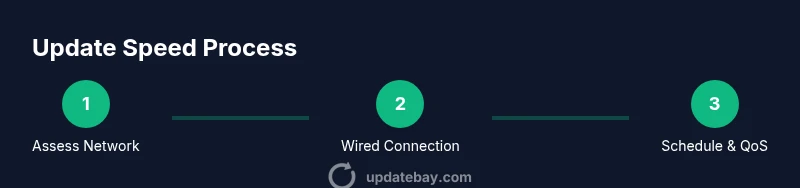
If you're wondering how to make updates go faster on xbox one, this guide lays out practical steps to optimize your connection, minimize background activity, and time updates when the network is quiet. Start with a wired Ethernet connection, pause other downloads, and schedule updates for off-peak hours. Follow the step-by-step plan to speed things up.
Why Speed Matters for Xbox One Updates
Updates are essential for security, performance, and new features, but they can stall your gaming flow. How to make updates go faster on xbox one isn't about magical shortcuts—it's about shaving time through reliable networking, smart scheduling, and clean storage. According to Update Bay, most users see meaningful reductions when they optimize three core areas: network quality, device settings, and update timing. With a little preparation, you can cut update windows from minutes to just a few moments in many cases, keeping your library ready for action and your console secure.
How the Xbox One Update System Works
Xbox One updates are delivered in packets that must complete before the system can apply changes. The speed you experience depends on your network throughput, latency, and how the console handles background tasks during updates. The system can download and install concurrently, but this can be slowed by other devices on the same network, insufficient storage, or a congested router. Understanding this mechanism helps you target the right bottlenecks rather than chasing vague fixes. Update Bay analysis shows that focusing on stable bandwidth and minimizing competing traffic yields the best gains without expensive gear.
Quick Wins You Can Implement Right Now
- Pause all other downloads on your network while the Xbox updates. Even small background tasks can steal bandwidth.
- Move updates to a time when the network is less active, like late night or early morning. Scheduling reduces peak-time contention.
- Check for a firmware update on your router; newer firmware can improve QoS and prioritize gaming traffic.
- Ensure the Xbox has enough free storage to avoid extra overhead during the update process. A clean drive reduces fragmentation and can speed installs.
- If possible, connect the console with a wired Ethernet cable rather than Wi‑Fi for consistent throughput and lower latency. These steps are simple, cost-effective, and frequently overlooked.
Strengthen Your Network for Faster Updates
A robust home network is the foundation of fast updates. Start with a stable internet plan that supports your typical gaming and streaming usage. Use a router capable of prioritizing gaming traffic (Quality of Service or QoS). Place the console near the router to reduce signal loss, and minimize interference from microwaves, cordless phones, or other devices operating on the same channel. If you share bandwidth with several devices, you may notice slower downloads; dedicated time windows can help here. Update Bay recommends testing speeds with a quick speed test before and after adjustments to quantify gains.
The Power of a Wired Ethernet Connection
A wired connection is consistently faster and more reliable than Wi‑Fi for updates. If your Xbox is on a console stand or in a living room, route an Ethernet cable from your router or a switch to the console. If you must use wireless, aim for 802.11ac or newer and place the console within a few meters of the router with minimal obstacles. In many households, even a modest investment in a single short cable and a basic switch yields noticeable improvements in throughput and stability during downloads and installations.
Optimize Router Settings for Gaming Traffic
Log in to your router's admin page and prioritize gaming or the specific Xbox port ranges if supported. Disable bandwidth-heavy features during updates, such as media streaming, cloud backups, or large file transfers. Some routers offer a mobile app where you can create a dedicated gaming profile that ensures low latency and steady throughput for the Xbox. If you encounter congestion, consider setting up a static IP for the console and reserving bandwidth for that device during updates.
Manage Background Activity and Storage
Close apps you aren’t using, especially those that might be running in the background on the console or other connected devices. A full or fragmented hard drive can slow update performance; freeing space and running a quick maintenance sweep can help. On external drives, ensure the drive is formatted correctly for the Xbox and has good health. Also, set the console to install updates in the background only when the system is idle to avoid competition with your gaming sessions.
Scheduling Updates and Using Sleep Mode
If possible, schedule updates to occur during off-peak hours when network usage is low. The Xbox can automatically download and install updates while in rest or low-power mode, which reduces visible downtime during your gaming window. Make sure the console is set to allow updates in rest mode and that you have a reliable power supply so updates don’t fail mid-process. Scheduling reduces the friction of manual starts and ensures updates complete for the next session.
Dealing with Large OS Updates
Major OS updates can be lengthy; breaking them into smaller steps isn’t possible, but you can optimize the process by preparing beforehand. Start with a clean storage environment and a stable network. If the update starts late at night, leave the console to finish; avoid interrupting the process. Having a maintenance window in your routine ensures you aren’t forced to reinitiate the process later due to a failed update. The goal is to minimize retries and restore gaming quickly.
Troubleshooting Slow Updates
If updates remain stubbornly slow, verify your network speed during the update window, test with a wired connection, and check for router firmware updates. Ensure the Xbox software is up to date, as older dashboard versions can affect efficiency. Temporarily disable VPNs or security appliances that could introduce latency. If issues persist, consider a reset of network settings or a factory reset as a last resort, but only after backing up your data. This approach helps identify whether the bottleneck is local or on the network.
Common Mistakes to Avoid
Avoid leaving many devices connected during updates; this can saturate your bandwidth. Don’t ignore the importance of storage space; updates often require temporary working space. Refrain from placing the console far from the router or in a location with poor signal unless you have a robust mesh setup. Finally, avoid performing updates during intense online activity like streaming in 4K on multiple devices; take advantage of off-peak times for better results.
Final Preparation Before Major Updates
Before a major Xbox One update, ensure you have: a wired network option if possible, ample free storage, a recent router firmware, and a quiet network environment. Create a mini check-list: test speed, verify rest-mode settings, and reserve time for the update window. By aligning hardware, network practices, and timing, you minimize surprises and maximize the chance of a smooth, quick installation. Update Bay emphasizes that consistent, repeatable steps yield the best long-term gains.
Tools & Materials
- Ethernet cable (Cat 5e/6 or better)(As short as possible to reduce signal loss; ideally 1-3 meters)
- Stable internet service(Prefer a plan with symmetric speeds if available)
- Modern router with QoS(Updates perform best with gaming-priority settings)
- Xbox One console(Ensure firmware is current)
- External storage (optional)(Fast drives can help with buffering during large updates)
- Access to router admin panel(Needed to adjust QoS or port forwarding)
Steps
Estimated time: 25-45 minutes
- 1
Assess current network performance
Run a quick speed test on your network and note ping, download, and upload speeds. This establishes a baseline to measure gains after changes. If speeds are consistently below your plan, address ISP or hardware issues first.
Tip: Document baseline speeds for later comparison. - 2
Switch to a wired connection where possible
Connect the Xbox One directly via Ethernet to the router or switch. A stable wired link reduces latency and packet loss that can slow updates.
Tip: If running a cable is impractical, place the console as close to the router as possible. - 3
Pause other downloads and background activity
On the router or connected devices, pause streaming or large downloads during the update window. This frees bandwidth for the Xbox update process.
Tip: Use QoS to prioritize gaming traffic temporarily. - 4
Enable updates in rest mode
In the Xbox settings, allow updates to run in rest/low-power mode so updates can complete during off-hours without active participation.
Tip: Ensure power savings are balanced with reliability. - 5
Schedule updates for off-peak hours
Choose a time when network usage is low (late night or early morning) to start updates automatically, reducing contention.
Tip: Set a recurring window to keep habits consistent. - 6
Update router firmware and QoS rules
Check for the latest router firmware and adjust QoS to prioritize gaming traffic, which helps with smoother downloads and fewer retries.
Tip: Reboot router after updating firmware to apply changes. - 7
Ensure sufficient storage space
Free enough space on the Xbox internal drive or external storage to allow update files to be written without fragmentation.
Tip: Delete unused apps or move content to external storage if needed. - 8
Test after adjustments
Initiate a small update or a known large patch to verify improvements in speed and reliability before a major update.
Tip: Keep a log of results for future comparisons. - 9
Prepare for major OS updates
Have time allocated for a potential long update, ensure rest mode is enabled, and keep the console plugged in during the entire process.
Tip: Avoid suspending updates midway.
Frequently Asked Questions
Can I pause an update on Xbox One once it starts?
Updates can be paused in some cases, but interruptions can cause partial installs. It's best to let essential updates finish, then resume only if necessary. If you must pause, do so through the update management screen and resume when convenient.
You can pause in many cases, but it’s usually better to let it finish to avoid partial installs.
Will updates install while the Xbox is in rest mode?
Yes. Enabling updates in rest mode allows the console to download and install while idle, reducing the impact on your gaming sessions.
Yes, updates can run in rest mode when enabled.
Is a wired connection always faster than Wi‑Fi for updates?
A wired Ethernet connection generally provides faster, more stable throughput and lower latency than Wi‑Fi, which improves update speed and reliability.
Usually yes, a wired link is faster and more stable for updates.
What should I do if updates are still slow after optimizing?
Recheck router QoS settings, verify there are no ISP outages, and test speeds during update windows. If problems persist, consult your network equipment manual or contact support.
If it's still slow, recheck QoS and test speeds; consider support if needed.
Should I delete games or apps to speed updates?
Freeing storage can help an update write and extract files more efficiently, but you don’t need to uninstall games unrelated to the update itself. Use external storage if possible.
Deleting unused items can help, but you don’t have to uninstall important games.
Watch Video
What to Remember
- Prioritize wired connections for updates
- Schedule updates during off-peak hours
- Pause competing traffic and manage storage
- Enable updates in rest mode for convenience
- Verify improvements with quick follow-up tests