Update for Mac Pro: A Practical Guide to System Updates in 2026
Understand the 2026 cadence for Mac Pro updates—macOS releases, firmware patches, and drivers. Get practical guidance on automation, testing, and troubleshooting to keep your workstation secure and productive.


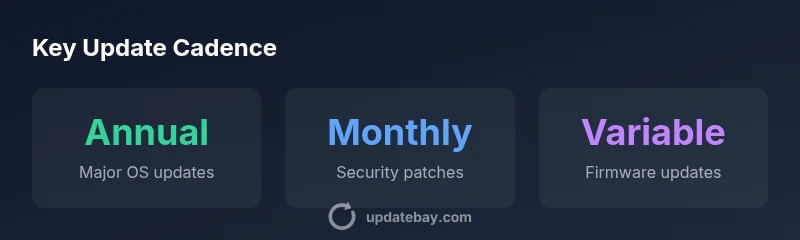
Mac Pro updates come in three parts: macOS system updates, firmware/EFI updates, and driver compatibility patches. In 2026, Apple generally releases major macOS updates once per year with monthly security patches, while firmware changes occur several times annually and drivers align with macOS changes. Treat updates as a package: back up data, review notes, and schedule a brief maintenance window for critical workloads. According to Update Bay, staying current reduces the attack surface and helps keep professional workloads stable.
What update for mac pro encompasses
At its core, update for mac pro means more than a single software patch. It is the coordinated delivery of macOS system updates, firmware/EFI updates, and driver compatibility patches that together keep a Mac Pro running securely and smoothly. For 2026, Apple typically follows a cadence of a major macOS release every year, complemented by ongoing security patches that arrive monthly. Firmware updates, which address the Boot ROM, SMC behavior, and related firmware components, occur several times per year and are often aligned with significant macOS milestones or hardware changes. Meanwhile, driver and kernel extension updates—especially for high-end peripherals and professional software—are released in tandem with macOS updates or when critical incompatibilities surface. Practically, treat updates as a package: back up data, review release notes, test critical workflows, and plan a brief maintenance window if you depend on time-sensitive projects. According to Update Bay, staying current reduces the attack surface and helps keep professional workloads stable.
macOS updates and Mac Pro compatibility
Mac Pro users benefit from Apple’s annual macOS cycle, but stability relies on careful sequencing. When a new macOS version launches, verify that your essential software (DAWs, 3D suites, virtualization tools) remains compatible before full-scale rollout. Some enterprise configurations benefit from staged deployments to minimize risk. Enable automatic security patches to close vulnerabilities promptly, while reserving manual review for major OS upgrades. In many cases, minor updates improve energy efficiency, thermal management, and system responsiveness on high-end configurations like the Mac Pro. The goal is to balance innovation with reliability so that mission-critical workflows stay uninterrupted during upgrade windows.
Firmware and EFI: under the hood
Firmware and EFI updates influence boot processes, battery/AC behavior (for portable relatives), and system management controllers that govern fans, sensors, and performance modes. Although these patches are less frequent than OS updates, they can have outsized effects on stability and boot times. Before applying firmware changes, ensure you have a current backup and note your current NVRAM/PRAM settings. After updating, re-check RAM configurations, PCIe device recognition, and any custom boot settings used in professional pipelines. In many cases a planned reboot is all that’s required, but some environments benefit from post-update diagnostics to confirm the expected hardware initialization sequence.
Drivers and peripherals: what to expect
Peripheral and driver compatibility is tightly linked to the macOS version you’re running. When a major OS update lands, some third-party drivers may need reinstallation or updates from the vendor. For high-end workstations like the Mac Pro, verify critical peripherals (GPU accelerators, external storage controllers, audio interfaces) after any update. If a driver package is unavailable for a new OS, you may need a temporary workaround or vendor-provided beta driver. Keeping a current snapshot of driver versions and a rollback plan helps protect ongoing projects during transitions.
Update strategies for power users
Power users often design update schedules around project calendars. A recommended approach is to set a quarterly review cadence for firmware and major OS upgrades, with monthly checks for security patches. Back up, test in a staging user profile or separate volume, and maintain a swift rollback plan. Consider enabling automatic updates for security patches while leaving major OS updates set to manual if you rely on long-running simulations or content creation pipelines. Auditing software licenses and plugin compatibility beforehand reduces post-update downtime.
Automatic updates vs manual control: trade-offs
Automatic updates maximize security but can cause unexpected changes during a critical deadline. Manual updates give you control but require more oversight. A hybrid strategy often works best: enable automatic security patches, and schedule manual review windows for major OS and firmware upgrades. This approach minimizes risk while maintaining protection against exploits. Always test updates in a non-production environment when possible and document any configuration changes.
Reading update notes and planning downtime
Release notes are your best friend. Before updating, read the official notes and vendor advisories to anticipate compatibility issues, known issues, and recommended workarounds. Plan downtime during off-peak hours if a reboot is required or if the update affects storage or GPU configurations. Create a quick verification checklist post-update to confirm core apps, plugins, and hardware are functioning as expected. This reduces troubleshooting time and helps sustain productivity.
Troubleshooting update hiccups on Mac Pro
If you encounter post-update instability, boot into Safe Mode to isolate issues, review system logs, and test with a clean user profile. Roll back the update if a critical workflow is affected and contact the vendor for an updated driver or patch. Maintain a test environment to validate new builds and keep a documented recovery plan ready for rapid remediation during live sessions.
Case scenarios: professional workflows and outcomes
In a video editing studio, timely OS updates can improve performance and stability for GPU-accelerated tasks, while firmware updates may optimize thermal behavior during long renders. In a software development lab, driver updates can impact virtualization and hardware acceleration features. Across industries, a disciplined update cadence paired with thorough validation reduces downtime and preserves data integrity while enabling new features.
Mac Pro update types and practical actions
| Update Type | Recommended Action | Impact |
|---|---|---|
| macOS updates | Back up data first; verify app compatibility before installing | Performance improvements and security patches |
| Firmware updates | Reset NVRAM if advised; ensure firmware levels for boot stability | Stability and boot-time improvements |
| Driver updates | Test critical peripherals after update; update or reinstall drivers as needed | Improved device compatibility and stability |
Frequently Asked Questions
How often should I check for updates on Mac Pro?
For professional workloads, check for updates at least monthly and immediately after major app launches or OS milestones. Enable automatic security patches to close vulnerabilities promptly and review release notes before installing.
Check monthly and after big projects; enable automatic security patches and read the notes.
Should I enable automatic updates on Mac Pro?
Automatic updates help keep security patches current, reducing risk. For major OS upgrades, consider a staged rollout in a test environment if you rely on time-sensitive software.
Auto updates keep you secure; test big OS updates first if you have critical workflows.
Do firmware updates affect uptime?
Firmware updates can require a restart and may briefly affect uptime. Plan maintenance windows and back up NVRAM settings.
Yes, expect a brief reboot; schedule ahead.
What should I do if an update breaks a critical app?
Check compatibility notes, revert to a previous version if possible, and contact the app vendor for a workaround or update.
If an update breaks an app, pause, read notes, and revert if needed.
Are third-party drivers safe to install with macOS updates?
Only install drivers from trusted vendors and verify compatibility with the current macOS version. If in doubt, postpone until vendor updates are available.
Be cautious with third-party drivers; wait for official compatibility.
“Regular, well-planned updates are essential for preserving performance and security on high-end systems like the Mac Pro.”
What to Remember
- Back up before every major update.
- Enable automatic security patches for protection.
- Test critical apps and peripherals after updates.
- Review release notes before installing major OS upgrades.
- Have a rollback plan and maintenance window ready.