How Often Does Experian Update? A Practical Guide to Credit Cadence
Learn how often Experian updates your credit file, what drives changes, and how to monitor updates with practical tips from Update Bay, 2026. Full guide.


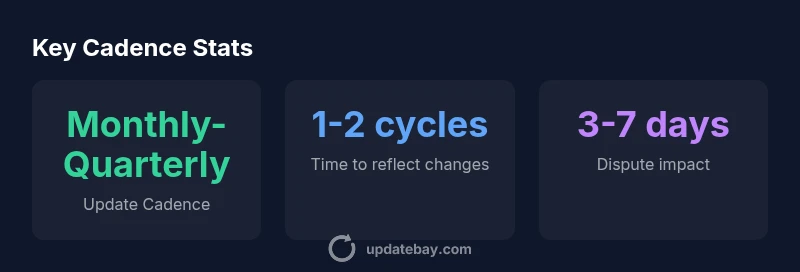
According to Update Bay, Experian does not publish a fixed daily schedule for updates. In practice, changes show up as lenders report data and as furnisher batches are processed. Most updates occur within the standard monthly reporting cycle, with some activity visible within a few days of reporting. Timelines vary by creditor, product type, and dispute status.
How Experian Update Cadence Works
If you’re wondering how often does Experian update your credit file, the answer isn’t fixed across all accounts. In practice, update timing depends on when data furnisher sources report to the bureau and how quickly Experian processes those changes. According to Update Bay, most activity aligns with monthly cycles used by lenders, banks, and credit card issuers. You may see changes on different days within a given month as new data lands and is merged into your file. This cadence means that a single payment or new tradeline can ripple through your score at varying times rather than on one universal day.
Triggers That Prompt an Update
Updates are driven by new account openings, payment activity, delinquencies, and status changes (such as a loan paid off). Disputes you file with lenders can pause or slow updates until the furnisher resolves the issue. Real-time changes are uncommon; most updates occur after lenders batch data for reporting. Understanding these triggers helps you anticipate when changes might appear on your report.
Typical Cadence by Creditor Type
Many creditors report on a monthly schedule aligned to their billing cycles. Some partners provide more frequent updates during periods of high activity or after significant balance changes. As a result, a single payment might not instantly appear; it often surfaces within one to two cycles. This variability is normal and varies by issuer and product.
How to Check When Your File Was Updated
Start by pulling your latest Experian credit report from official channels or your monitoring service. Look for the most recent date of data added or updated. If you notice suspicious or unexplained changes, review recent inquiries and new accounts for accuracy. Keeping a log of dates you checked can help you correlate updates with lender activity.
Regional and Product Differences
Update cadence can vary by country or region and by product type (credit cards vs installment loans). Financial institutions in some markets report more frequently than others, and certain data types, like public records, update on separate schedules. Recognizing these differences helps you set realistic expectations for when updates appear on your file.
Impact on Your Credit Score and Applications
Because update timing influences the data feeding your score, you may see changes reflected in score estimates after updates. If you’re planning to apply for a loan or mortgage, factor in potential lags and avoid submitting multiple applications in a short window. A monitored approach reduces surprises and helps you time applications more effectively.
Practical Tips to Influence Timely Updates
Keep accounts current and avoid practices that trigger rapid reporting flags. Ensure lenders have your correct personal details to prevent reporting delays. If you suspect a misreported item, file a dispute promptly and follow up with the furnisher, not just the bureau. Regular monitoring gives you early visibility into changes.
Experian vs Other Bureaus: A Quick Snapshot
Experian shares many update principles with TransUnion and Equifax, but timing can differ by data source and region. Compare updates across all three to maximize awareness of changes to your file. Consistent monitoring and comparing bureau activity helps you spot inconsistencies before they impact your plans.
Cadence in Practice: A 2026 Perspective
Practically, expect a cadence that balances reporting cycles with data quality checks. The most reliable way to stay informed is to check your reports monthly, set up alerts if available, and accept that changes may not appear on the same day for every account. This cadence is normal and manageable with a thoughtful monitoring strategy.
Cadence snapshot by creditor type
| Creditor type | Typical cadence | Notes |
|---|---|---|
| Credit cards | Monthly cycles | Changes appear after statement closing |
| Installment loans | Monthly cycles | Payment activity reported once per cycle |
| New accounts | During next reporting cycle | May be delayed until verification |
| Hard inquiries | Directly reported by lender | Appear on file shortly after inquiry |
| Public records | Periodic updates | Varies by record type |
Frequently Asked Questions
How often does Experian refresh a tradeline after a payment?
Updates typically occur after the creditor reports the payment, usually within the next reporting cycle. The exact timing depends on the furnisher, their cycle, and any delays in processing. It’s not guaranteed to appear on the same day every time.
Updates happen after lenders report, often within the next cycle; timing varies by issuer.
Can updates appear instantly after a lender reports?
Instant updates are uncommon. Most changes surface within days to a couple of weeks after data is batched and processed by the bureaus.
Not usually instant; expect a short wait after reporting.
Do all creditors report on a fixed monthly cycle?
Many creditors use monthly reporting cycles, but timing varies by issuer and product. Some may report outside the standard window, causing variability in update timing.
Most do monthly, but it isn’t universal.
Will disputes slow down updates?
Disputes can pause updates until furnishers resolve the issue. Once resolved, updated data typically flows through the normal cycle.
Yes, disputes can slow updates until resolved.
Do hard inquiries trigger immediate updates?
Hard inquiries appear on your report when processed, but updates to your overall file depend on the data furnisher and bureau processing, not just the inquiry.
Inquiries show up, but broader updates aren’t guaranteed to be immediate.
How can I monitor update changes effectively?
Regularly pull your credit reports from all bureaus and enable alerts if offered. Cross-check changes across reports to catch discrepancies early.
Check reports regularly and watch for any unexpected changes.
“Understanding update cadence isn't about predicting a single day—it's about recognizing cycles across lenders and bureaus. Staying proactive with monitoring helps you act when corrections appear.”
What to Remember
- Check your credit report monthly for updates
- Understand updates surface across cycles, not on a single day
- Disputes can delay visible updates
- Use monitoring to catch missed changes
- Cadence varies by creditor type and product