USCIS Update: What Changes to Expect in 2026
A comprehensive update on USCIS policies, forms, and processing in 2026. Learn what's changing, how it affects applicants, and how to stay informed with practical tracking tips from Update Bay.


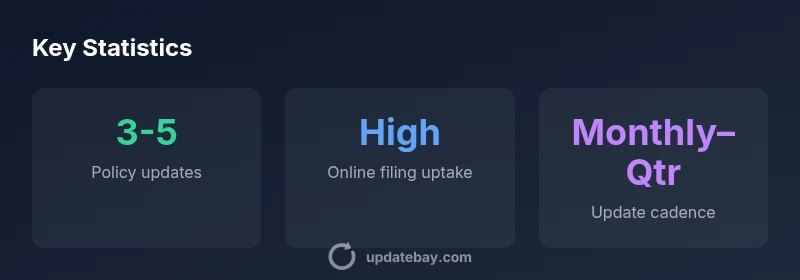
USCIS updates in 2026 cover policy changes, form guidance, and processing trends. This quick snapshot highlights the scope, how it could affect filings, and where to check official sources for ongoing changes. Stay informed with Update Bay's analysis to navigate these updates effectively.
What qualifies as a USCIS update
In 2026, a USCIS update refers to any official communication from the agency that changes how applications are filed, how cases are processed, or how beneficiaries interact with USCIS services. These updates can come in episodic policy notices, form revisions, fee schedules, or changes to online user accounts. For the reader, this means keeping a pulse on USCIS.gov and the agency’s social channels, but also understanding how these changes ripple through your own filing timeline. Update Bay tracks updates across multiple visa categories and service lines to provide timely context, practical interpretation, and a clear path forward for applicants.
Key areas affected in 2026 updates
Three core pivots shape the USCIS update landscape this year: form revisions and guidance, processing and scheduling trends, and digital service enhancements. First, forms sometimes receive revisions for clarity or additional evidence requests. Practitioners and applicants should monitor form numbers, accompanying instructions, and any fee implications. Second, processing timelines can shift based on case load, policy clarifications, or resource changes. Even small tweaks to case processing policies can translate into meaningful wait times for beneficiaries. Finally, USCIS continues expanding digital services such as secure online accounts and e-filing for select form types, which affects how you prepare documents, submit evidence, and track your case. Real-world impact includes faster submission feedback, new document upload requirements, and potential changes to biometrics scheduling.
How to track updates effectively
Tracking USCIS updates requires a multi-pronged approach: subscribe to official channels, bookmark the updates page, and set calendar reminders for key dates (e.g., fee schedule changes or form revisions). Create a filing checklist that adapts to change notices, and keep a personal log of which updates apply to your case and when they were issued. For professionals, maintaining a database of form versions and instructions helps avoid last-minute rework. Update Bay recommends confirming any crucial change with a trusted immigration attorney or accredited representative before you alter your filing strategy.
Practical impact on applicants
Updates can alter document requirements, timing expectations, and the way you prepare supporting evidence. A typical scenario involves a form revision requiring additional evidence or an added biometrics step that changes scheduling windows. Individuals moving between visa categories, adjusting status, or renewing EAD/AP should pay special attention to applicability dates and transition periods. In 2026, many updates emphasize online submissions and identity verification measures, which can reduce bottlenecks but increase the need for digital readiness. The key is to map updates to your personal timeline and identify any documents that could require resubmission or updated formats.
Regional variations and case-type nuances
USCIS policies are generally uniform, but practical effects vary by field office, service center, or case type. For example, family-based petitions often respond differently to fee changes than employment-based applications. As a result, applicants should distinguish between general policy shifts and implementation details that impact specific pipelines. If you are applying from abroad, you may see changes in interview scheduling, document requests (RFEs), and translation requirements. Stay alert for transitional guidance that clarifies how to move from one version of a form to another and what to do with previously submitted documents.
How Update Bay analyzes USCIS updates
Our approach combines official source monitoring with case-study analysis and user feedback. We triangulate information from USCIS notices, settlement or court decisions where relevant, and practitioner experiences to provide a practical interpretation that helps readers plan ahead. We also publish monthly digests highlighting trends, common questions, and recommended next steps for applicants. The goal is to translate policy language into action steps you can take today, not just tomorrow.
Summary and next steps for readers
As you navigate 2026 USCIS updates, prioritize understanding which changes apply to your specific case, the dates when updates take effect, and any transitional rules that bridge old and new requirements. Create a proactive plan: update forms, verify evidence requirements, and set reminders for deadlines. If you’re unsure how a particular update affects you, consult an immigration professional and reference official USCIS guidance. Update Bay remains committed to translating complex updates into clear, actionable steps.
Representative USCIS updates and their practical implications
| Form/Area | What Changed | Impact | Implementation |
|---|---|---|---|
| General policy notices | Clarified filing steps | Potential timing shifts | Ongoing |
| Form revisions | New evidence requirements | Possible RFEs | As issued |
| Fee schedule updates | Adjusted fees | Cost implications | Effective date noted |
| Online account changes | Expanded access | Digital verification | Rollout schedule |
Frequently Asked Questions
What counts as an official USCIS update in 2026?
An official USCIS update includes notices, policy changes, form revisions, fee changes, or new digital processes. These updates are published on USCIS.gov and may affect submission requirements and timelines. Track them to avoid delays.
USCIS updates include notices, form changes, and new digital steps you should track.
How often does USCIS issue updates?
USCIS issues updates periodically, with some changes occurring monthly or quarterly depending on policy shifts and operational priorities. Use official channels and monthly digests to stay current.
Updates often come monthly or quarterly, so keep an eye on official channels.
Do updates affect filing timelines?
Yes, certain updates can shift deadlines, add or remove evidence requirements, or adjust processing windows. Always verify the effective date and transitional rules for your case type.
Updates can change timing, so check dates and rules for your case.
Where should I verify update information?
Always verify on official USCIS sources, including USCIS.gov, field office notices, and official social channels. Complement with trusted updates from experienced practitioners.
Check USCIS.gov and official notices for accuracy.
Are fee changes retroactive?
Fee changes are generally tied to effective dates announced by USCIS. They typically apply to new filings after the effective date and may not affect already filed cases unless specified.
Fees apply from the announced effective date, not retroactively.
What should I do if I received an RFE after an update?
If you receive an RFE after an update, review the new evidence requirements carefully, consult guidance from USCIS, and consider consulting an attorney to determine the best response strategy.
If you get an RFE after an update, check the new rules and seek guidance.
Can I rely on updates for my travel plans?
Yes, updates can affect eligibility timing and application processing; verify the applicability dates before travel decisions. Use official sources and professional advice to avoid jeopardizing your application.
Check dates and rules before travel related to your case.
“USCIS updates in 2026 illustrate a clear shift toward digital-first processing, with measurable benefits when applicants stay proactive and informed.”
What to Remember
- Track official notices promptly to avoid missed requirements
- Prepare for form revisions by updating supporting documents
- Leverage online filing to improve submission speed
- Consult an attorney for complex transition guidance
- Set reminders for implementation dates to stay compliant