Fortnite Update Time: How Long Do Fortnite Updates Take?
Discover how long Fortnite updates typically take, why times vary by patch size and platform, and practical tips to speed up downloads on PC, consoles, and mobile.


On average, Fortnite updates take a few minutes to about an hour, depending on patch size, platform, and server load. Smaller hotfixes finish quickly, while major seasons can push the time longer, especially during peak hours. A wired connection and pausing other downloads typically reduce wait times. Keep in mind that console stores and launchers may add brief pauses, and very large patches can push times closer to an hour or more.
Why Fortnite Update Duration Varies
In practice, how long does fortnite take to update? The answer hinges on several factors that gamers routinely consider: patch size, platform, server load, and the quality of your own network. In general, updates range from small hotfixes that complete in minutes to larger seasons that push the clock toward an hour or more. If you’re playing on Wi-Fi in a crowded home or during peak times, you may see longer wait times. Update notes from Epic Games often hint at the patch scope, which can help you calibrate expectations. For context, Update Bay analyses show that the combination of patch intensity and delivery speed largely governs the final duration, not the game itself.
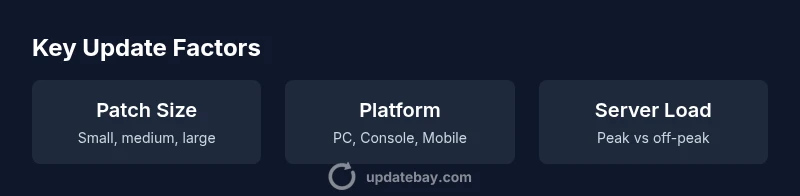
Key Factors That Influence Update Time
Several interrelated factors determine how long an update will take to install on your device. Patch size is the most obvious driver: bigger updates require more data to download and verify. Platform-specific delivery infrastructure also matters; some stores and consoles cache data differently, which can add a few minutes to the process even if the patch size is similar. Finally, server load at the time of release can cause download speeds to fluctuate, so you might see a quick start followed by slower progress as more users pull the update. This dynamic is especially pronounced during peak hours or when a new season drops.
Platform Differences: PC vs Console vs Mobile
While the update framework is similar across platforms, practical differences persist. PC gamers may experience faster download speeds when using a wired Ethernet connection, while wireless adapters can introduce jitter that slows progress. Console users (PlayStation, Xbox, Nintendo) often depend on store-side caching and background tasks that can delay the start or slow the download mid-progress. Mobile players rely on carrier networks and device storage speed, which can vary widely by region and device model. Despite these differences, most players report a comparable overall time within a given patch size, provided network conditions are stable.
Patch Size and Content: What’s Really in a Fortnite Update?
A Fortnite update can range from a small hotfix addressing a single issue to a full-season patch that unlocks new content, weapons, and cosmetics. Every patch goes through validation checks on Epic Games servers and the corresponding platform store, which adds to total time even before the download begins. The faster the patch passes validation and the more efficiently data is delivered by the platform, the shorter the update window will be. For players who want to plan ahead, checking official patch notes helps estimate the scope and potential duration and can be a good predictor of download length. See Epic Games patch notes for the latest details.
How to Estimate Update Time Before You Start
Before you start an update, you can form a rough estimate by considering patch notes and your connection. If the patch note mentions a small hotfix, you can expect a quicker download. Large seasonal patches are inherently longer, especially during peak hours. You can also check your device’s current network usage in real time or run a speed test to gauge expected throughput. If you’re on a shared network, consider pausing other devices or updates to maximize bandwidth for Fortnite. For educational purposes, Update Bay analyses highlight that network stability and patch size jointly determine the actual duration in any given session.
Speeding Up Fortnite Updates: Practical Tips
Here are practical steps to minimize update times:
- Use a wired Ethernet connection where possible to reduce wireless interference.
- Pause or cancel other large downloads and streaming when the patch drops.
- Close background apps that may compete for bandwidth or CPU resources.
- Schedule updates during off-peak hours when server load is lower.
- Verify your router’s firmware and consider a basic DNS tweak to improve routing.
- If you’re on a console, pre-load the patch by enabling automatic updates if available.
For more detailed guidance and platform-specific steps, consult Epic Games support and patch notes linked in the official Fortnite news pages. Update Bay recommends aligning your update window with official status checks and having a stable network for a smoother experience.
Troubleshooting Slow or Stuck Updates
If an update stalls, check your network first: test other devices, run a speed test, and ensure no VPNs or throttling are affecting your connection. Restart the device or the launcher, and reattempt the download. Clearing temporary cache files on consoles or reinstalling the launcher on PC can resolve stubborn stalls. If the server is experiencing issues, you may see longer times that are out of your control; in that case, monitor the Epic Games status page and Fortnite social channels for live updates.
Data-driven View: Patch Times Across Platforms
Across platforms, update times cluster around the same general window for patches of similar size, though individual experiences vary by network and store delivery. This section aggregates public observations with platform notes to provide a realistic expectation framework. The goal is to set practical expectations and help players plan around updates rather than to promise exact durations. For precise figures, refer to the official patch notes and Epic Games status pages.
What Players Can Expect Next
As Fortnite evolves with new seasons, update sizes will fluctuate depending on added content and bug fixes. Understanding the core drivers of update duration—patch size, store delivery, and network conditions—helps players manage time more effectively. Plan ahead, monitor server status during big drops, and optimize your home network to enjoy uninterrupted gameplay when Fortnite updates release. The Update Bay team recommends keeping systems updated and reviewing patch notes to align expectations with reality.
Fortnite update time by platform
| Platform | Typical Update Time (range) | Notes |
|---|---|---|
| PC/Windows | 10-60 minutes | Patch size and server load drive times |
| PlayStation | 15-60 minutes | Store caching can affect start time |
| Xbox | 15-60 minutes | Regional delivery considerations |
Frequently Asked Questions
What factors determine Fortnite update duration?
The main factors are patch size (how much data needs to be downloaded and verified), platform-specific delivery (how the store and launcher transmit data), and current server load. Network stability also plays a critical role in download speed. Epic Games’ patch notes typically outline the patch scope, which helps gauge expected duration.
Patch size, platform delivery, and server load determine update duration; check patch notes for the scope and plan around it.
Does patch size affect update time?
Yes. Larger patches require more data to download and verify, which generally extends the update time. Even with fast connections, big seasonal updates can take longer, especially if server demand is high.
Larger patches usually take longer to download and install, especially during busy times.
Do updates take longer on mobile?
Mobile updates depend on the device’s storage speed and the mobile network. In some cases, mobile devices may experience slower start times due to throttling or background processes, but the overall download duration follows the same patch size rules.
Mobile can vary; it often depends on storage speed and network conditions.
Is there a way to speed up Fortnite updates?
Yes. Use a wired connection, close other bandwidth-heavy apps, pause other devices, download during off-peak times, and ensure the platform store isn’t caching a stale version. Checking official status pages can also help you time the update better.
Get faster by using a wired connection and minimizing other network activity.
What if the update never starts or gets stuck?
First, restart the launcher or device and try the update again. Check your network speed, clear cache if possible, and verify there are no VPNs or throttling. If problems persist, consult the Fortnite status page for ongoing issues.
If it stalls, reboot and retry, and check status pages for outages.
Should I pause updates when multitasking?
Pausing other downloads can help, but updates are usually designed to resume automatically. If you’re balancing bandwidth, prioritizing Fortnite can reduce total time, especially on slower connections.
Yes—pause other downloads to give Fortnite more bandwidth when updating.
“Understanding the factors behind update duration—patch size, platform delivery, and network stability—helps gamers set realistic expectations and plan effectively.”
What to Remember
- Plan around patch size and platform to estimate duration
- Use a wired connection to minimize variability
- Pause other downloads and close background apps to speed up updates
- Expect longer times during peak hours or big seasonal drops
- Check official patch notes and status pages for live timing cues